
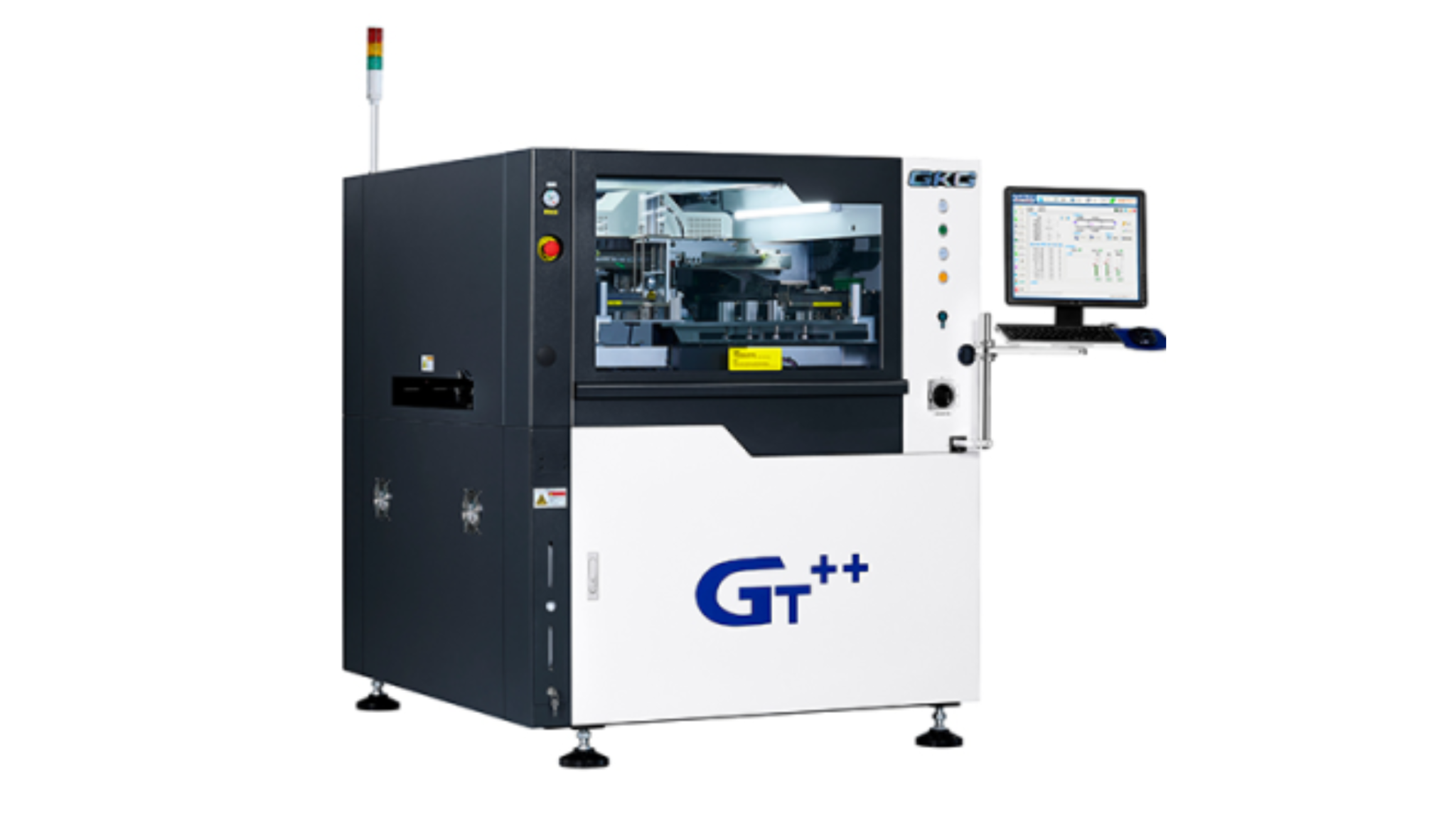
In the world of electronic manufacturing, efficiency and precision are paramount, and one of the most essential pieces of equipment is the solder paste printer. But what is the role of the solder paste printer in electronics manufacturing?
Let’s understand this better in this blog.
The SMT solder paste printer plays a vital role in ensuring that surface-mount devices (SMDs) are correctly placed on circuit boards.
As electronics become more complex and miniaturised, the demand for reliable solder paste printers continues to grow. Manufacturers are looking for equipment that delivers high accuracy, speed, and consistency to meet high production schedules.
At HJE Tech India Pvt. Ltd., we understand that precision and reliability are non-negotiable. That’s why our machines are designed for high output and minimal maintenance, making them ideal for producing the perfect PCBs.
In this blog, we’ll discuss the role of the solder paste printer in electronics manufacturing.
Role of Solder Paste Printer in Electronic Manufacturing: Complete Guide
Before we dive into understanding the role of the solder paste printer in electronics manufacturing, and how it speeds up the SMT production lines. Let’s have a quick look at what solder paste actually does.
What Does a Solder Paste Printer Actually Do?
At its core, a solder paste printer applies a precise amount of solder paste onto PCB pads using a stencil. Sounds simple. But, in reality, it’s one of the most sensitive and influential steps in the entire SMT process.
A minor variation in paste height or alignment can lead to:
- Open solder joints
- Bridging between fine-pitch components
- Insufficient wetting
- Component misalignment after reflow
That’s why modern electronics manufacturers treat printing as a process, not just a step.
Why Solder Paste Printing Sets the Tone for the Entire SMT Line
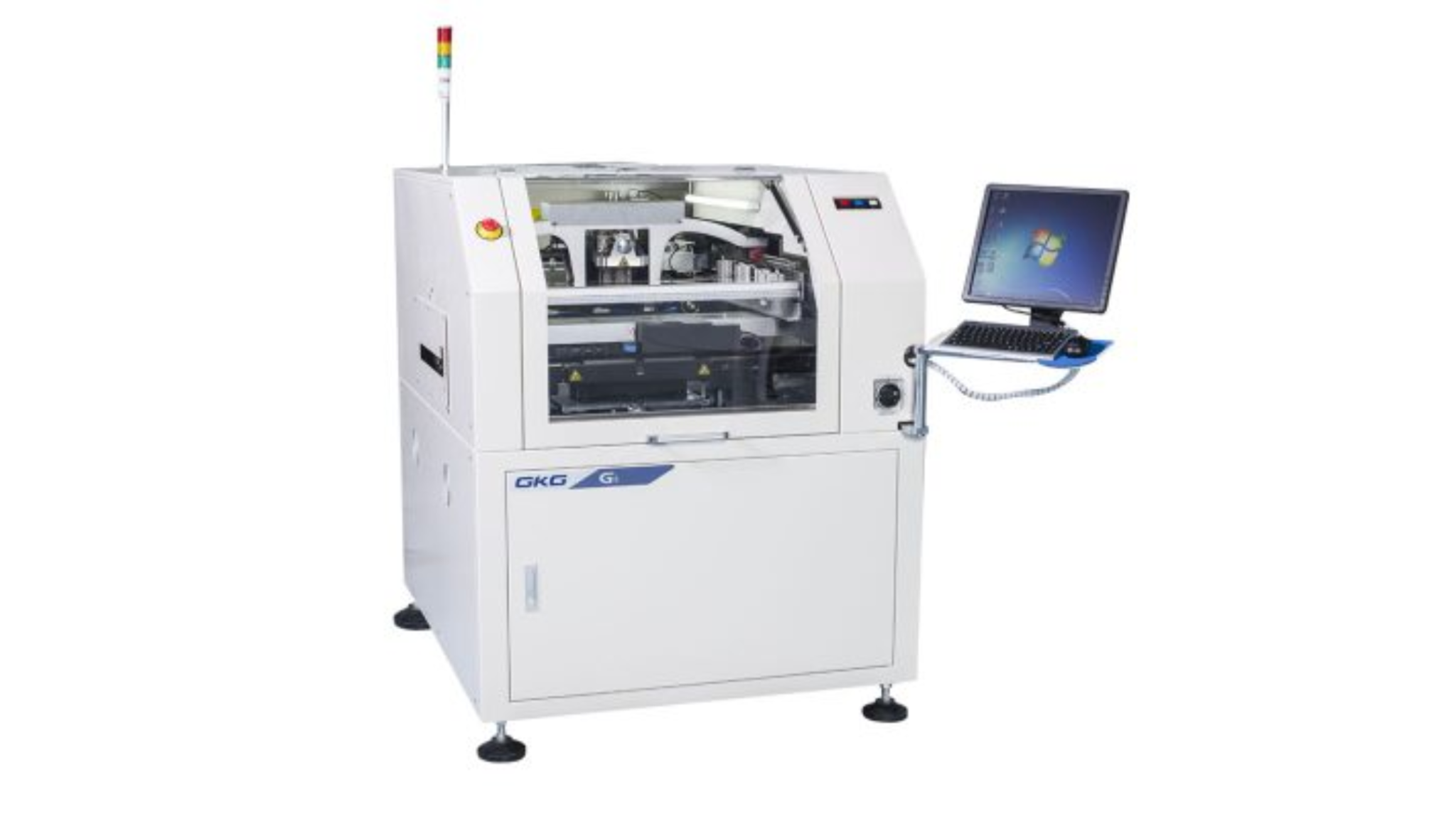
There’s an old saying in electronics manufacturing: “If printing is wrong, nothing downstream can fix it.” And that’s true.
Here’s how the role of the solder paste printer in electronics manufacturing impacts the full production cycle:
1. Precision Placement Starts with Precision Printing
Pick-and-place machines rely on consistent paste deposits. If the paste volume varies, components may shift or tilt during reflow. High-precision printers ensure uniform deposits every single cycle.
2. Higher First-Pass Yield (FPY)
If a manufacturer invests in high-speed placement machines but neglects printing accuracy, it can lead to frequent defects during AOI or rework.
Accurate printing reduces defects before they happen. That means:
- Fewer rework stations
- Less manual intervention
- Lower scrap rates
Over time, this translates into significant cost savings.
3. Enables Fine-Pitch and Micro-Component Assembly
Modern solder paste printing machines are specifically designed to enable high-precision deposition for fine-pitch and micro-component assembly. As PCB designs evolve, pad spacing continues to shrink. Fine-pitch ICs, QFNs, and BGAs leave almost no room for error.
Advanced solder paste printers support:
- Ultra-fine pitch printing
- Stable stencil separation speeds
- Minimal paste smearing or slumping
This level of control is essential for industries like automotive electronics, aerospace, telecom, and medical devices, where reliability isn’t optional.
Key Features That Enable High-Precision Manufacturing
Not all solder paste printers are created equal. In high-precision electronics manufacturing, certain features make a measurable difference.
1. Vision Alignment Systems
Modern printers use cameras and fiducial recognition to align the stencil perfectly with the PCB. This is critical when working with multilayer boards or warped PCBs.
2. Controlled Squeegee Pressure & Speed
Intelligent pressure control ensures consistent paste release across varying pad designs.
3. Repeatability & Stability
In high-volume environments, consistency over thousands of cycles matters more than raw speed. A stable printer maintains accuracy shift after shift.
4. Integration with SPI (Solder Paste Inspection)
When printers integrate with SPI systems, manufacturers can close the feedback loop and correct issues in real time.
Why Choose HJE Tech India Pvt. Ltd.

When manufacturers look to strengthen their SMT lines, they need more than just machines. They need experience, support, and solutions that scale. That’s where HJE Tech India Pvt. Ltd. stands out.
We specialise in delivering end-to-end SMT equipment solutions, including:
- High-precision solder paste printers
- SMT line automation and integration
- PCB handling system
- Dispensing and coating equipments
- Soldering/Reflow ovens
- Pick and place machines
- SMT lead-free solder paste
The Bottom Line
In high-precision electronics manufacturing, success is built layer by layer, and it all begins with solder paste printing. The role of the solder paste printer in electronics manufacturing goes far beyond applying paste. It defines quality, consistency, yield, and long-term reliability.
If you’re planning to upgrade your SMT line, improve yields, or move toward high-precision manufacturing, HJE Tech India Pvt. Ltd. is ready to help.
We offer advanced solder paste printers, SMT automation solutions, and expert support tailored to your production needs. Let’s build precision into every board, right from the first print.
Planning your next upgrade or setting up a new line? Contact HJE Tech India Pvt. Ltd. and make your investment count.
FAQs About Solder Paste Printers in Electronics Manufacturing
Why is solder paste printing considered the most critical SMT process?
Because it directly affects solder joint quality. Errors introduced at printing cannot be fully corrected later, even with perfect placement and reflow.
How does a high-precision printer improve production yield?
By delivering consistent paste volume and alignment, it reduces defects like bridging, insufficient solder, and component misalignment.
Are manual solder paste printers suitable for high-precision applications?
Manual printers are suitable for prototyping or low-volume runs, but they lack the repeatability and control required for fine-pitch, high-volume manufacturing.
How often should a solder paste printer be calibrated?
Calibration schedules depend on usage, but in high-precision environments, regular calibration and preventive maintenance are essential to maintain accuracy.